


Key Takeaways
- President Donald Trump proposed a 10% cap on credit card interest rates that would start on Tuesday.
- On Wednesday, Trump urged Congress to pass a one-year 10% cap, a sharp reduction from the current average credit card APR of about 21.4%.
- However, a similar bipartisan bill proposing a longer five-year cap is stalled in Congress.
A deadline to lower credit card interest rates passed this week without action, despite President Donald Trump’s urging.
Earlier this month, Trump called for a 10% cap on credit card interest rates, effective Jan. 20 and lasting one year. As of Wednesday, there were no federal laws or executive orders imposing a cap on credit card interest rates. Additionally, no credit card companies have announced that they’re voluntarily reducing rates.
Now, Trump is calling on Congress to make his proposal a law.
What This Means For You
So far, there are no executive orders or federal laws limiting credit card interest rates to just 10%. If Congress did decide to pass legislation implementing the cap, it could lower borrowing costs for Americans. However, some critics have warned that it could also limit access to credit.
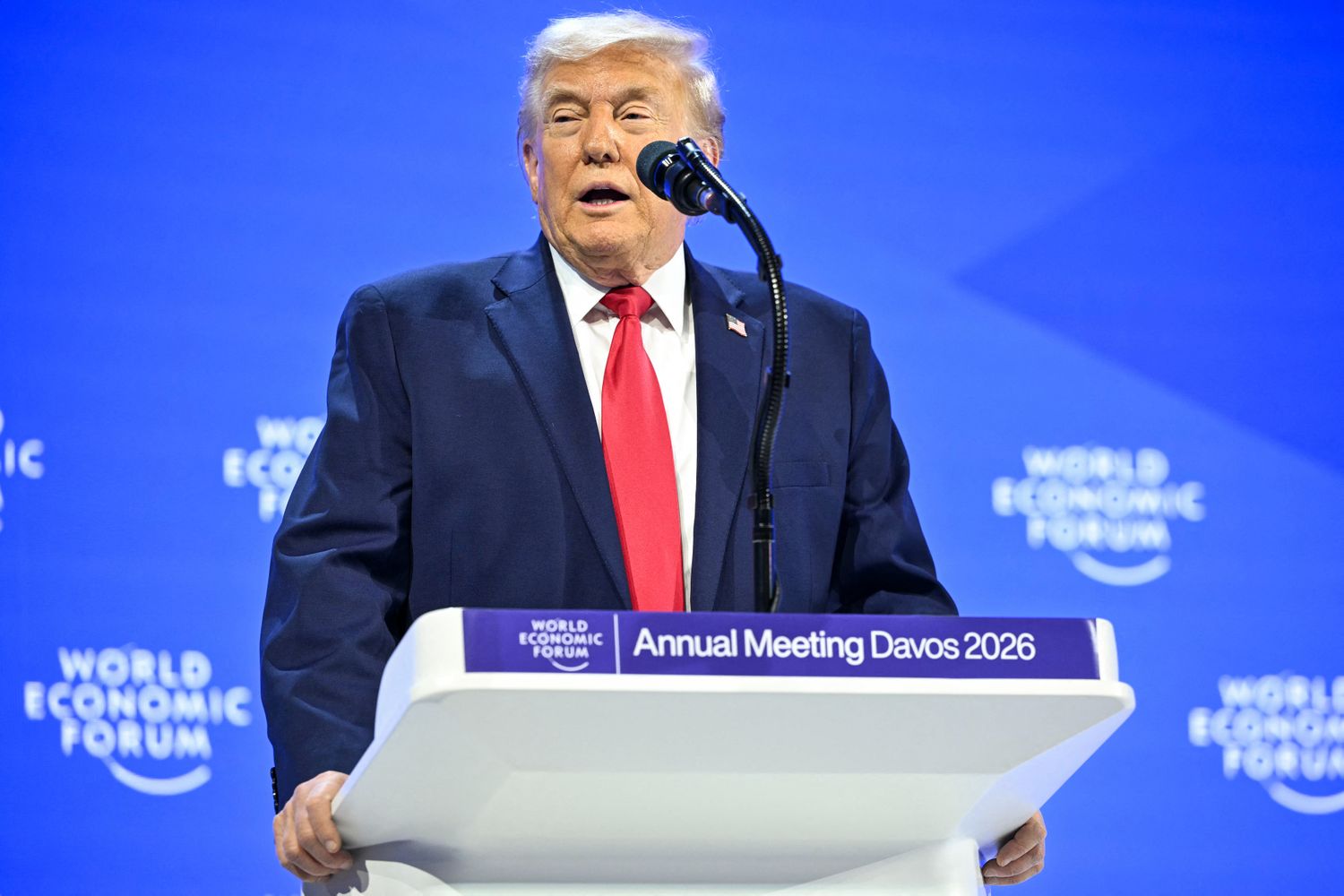
“The profit margin for credit card companies now exceeds 50%, one of the biggest, and they charge Americans interest rates of 28%, 30%, 31%, 32%—whatever happened to usury?” Trump said at the World Economic Forum in Switzerland Wednesday. “I’m asking Congress to cap credit card interest rates at 10% for one year and this will help millions of Americans save for a home.”
Trump’s proposal to reduce credit card interest rates to 10% or less would be significant. The average APR for all credit card accounts was 21.39% in the third quarter of 2025, according to most recent data available from the Federal Reserve.
However, there may not be much appetite for the bill in Congress. A bipartisan bill was introduced in the Senate early last year that would cap credit card interest rates at 10% for five years, but it remains stalled.
Even if the bill were signed into law, it could still be challenged in court, which could delay any effects for borrowers.
Opponents of the credit card interest rate cap, like JPMorgan CEO Jamie Dimon, believe that a price cap would lead lenders to pull back on credit, especially for those with less-than-stellar credit scores.
In contrast, advocates, such as one of the bill’s cosponsors, Senator Josh Hawley (R-Mo.), argue that credit card companies are exploiting consumers by charging high interest rates while their executives collect lavish compensation packages.


