


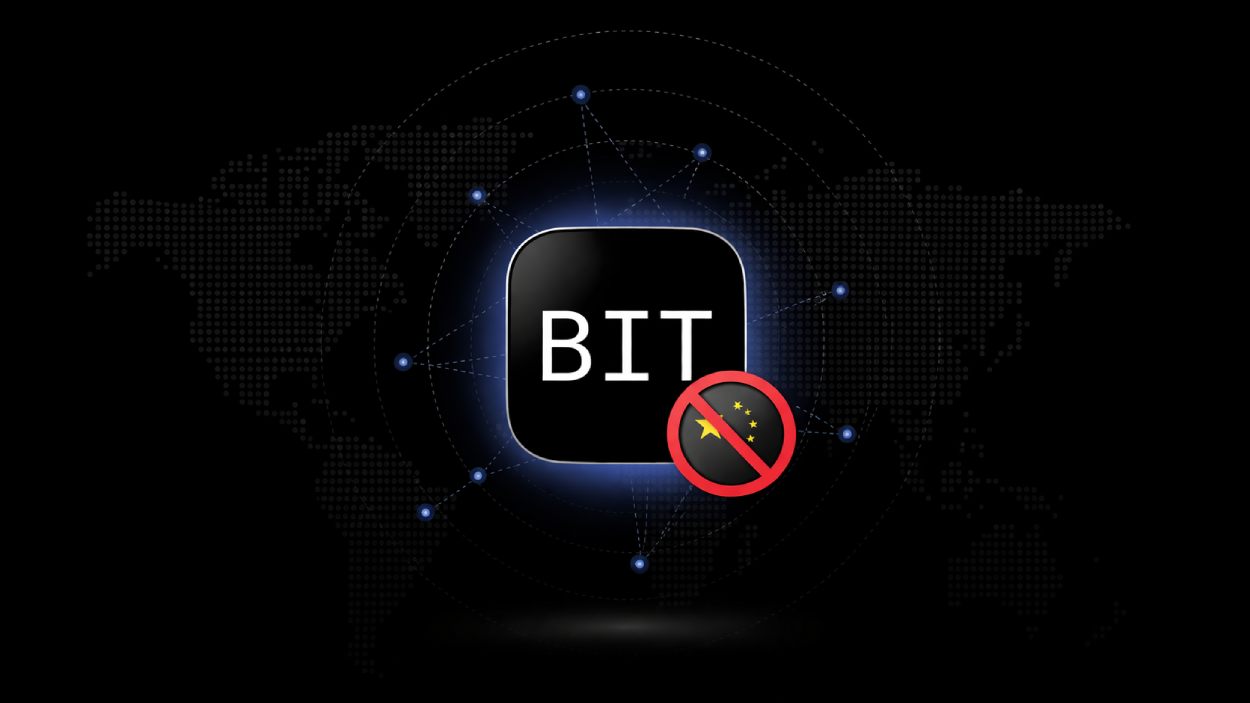
China has removed Jack Dorsey’s Bitchat app from Apple’s App Store, citing regulatory violations linked to public opinion and social mobilisation rules.
Quick Summary – TLDR:
- Apple removed Bitchat from China’s App Store following orders from regulators.
- China flagged the app for violating rules around public opinion and mobilisation.
- Bitchat works without internet, making it harder to control or block.
- The app remains available globally and continues to grow in popularity.
What Happened?
Apple has taken down Bitchat, a decentralised messaging app created by Jack Dorsey, from its App Store in China. The move came after a directive from the Cyberspace Administration of China, which flagged the app for regulatory violations.
The app has also been removed from TestFlight in China, meaning both public and internal testing access is now restricted within the country.
bitchat pulled from the china app store pic.twitter.com/jrrd0gDrA9
— jack (@jack) April 5, 2026
Why China Blocked Bitchat?
Chinese regulators said the app violated provisions related to services that can influence public opinion or enable social mobilisation. These rules, introduced in 2018, require platforms to undergo security assessments before launch and take responsibility for their outcomes.
According to Apple’s communication to the developer:
Apple also made it clear that the removal was done to comply with local laws in China, even though the app continues to be available in other regions.
What Makes Bitchat Different?
Bitchat stands out because it does not rely on traditional internet infrastructure. Instead, it uses Bluetooth and mesh networks to connect devices directly.
Key features include:
- No internet required for sending messages.
- Decentralised structure with no central servers.
- Messages stored only on user devices.
- Ability to connect users within a 30 meter range.
- Support for Bitcoin transactions.
This design makes the app especially useful in environments where internet access is restricted or shut down. At the same time, it makes it difficult for authorities to monitor or block communication through conventional methods like firewalls.
Global Usage and Real World Impact
Despite its removal in China, Bitchat has seen strong global adoption.
- Over 3 million downloads reported on Chrome platforms.
- More than 1 million installs on Google Play Store.
- Rapid adoption during protests in countries like Iran, Madagascar, Indonesia, Uganda, and Nepal.
The app has been used in situations where governments imposed internet shutdowns or censorship, allowing people to stay connected through offline networks.
It also proved useful during emergencies. In Jamaica, Bitchat gained popularity during Hurricane Melissa, helping residents communicate when power and internet services were down. The app quickly climbed app store rankings during that period.
Apple’s Position and Bigger Picture
Apple has reiterated that developers must comply with local regulations in every market where their apps are distributed. The company stated that Bitchat remains available outside China, but must adhere to Chinese legal requirements to operate in the country.
The move also highlights the ongoing tension between global tech platforms and regional regulations. China remains one of Apple’s largest markets, and the company has been navigating increasing regulatory pressure, including recent policy and pricing adjustments for developers.
SQ Magazine Takeaway
I think this situation clearly shows how technology and regulation are constantly colliding. Apps like Bitchat are built for freedom and resilience, especially in crisis or protest situations. But that same strength makes them uncomfortable for governments that want tighter control.
From my perspective, this is not just about one app getting removed. It is about the bigger question of who controls communication in the digital age. And right now, the answer still depends heavily on where you are in the world.


